Fading and Flowering
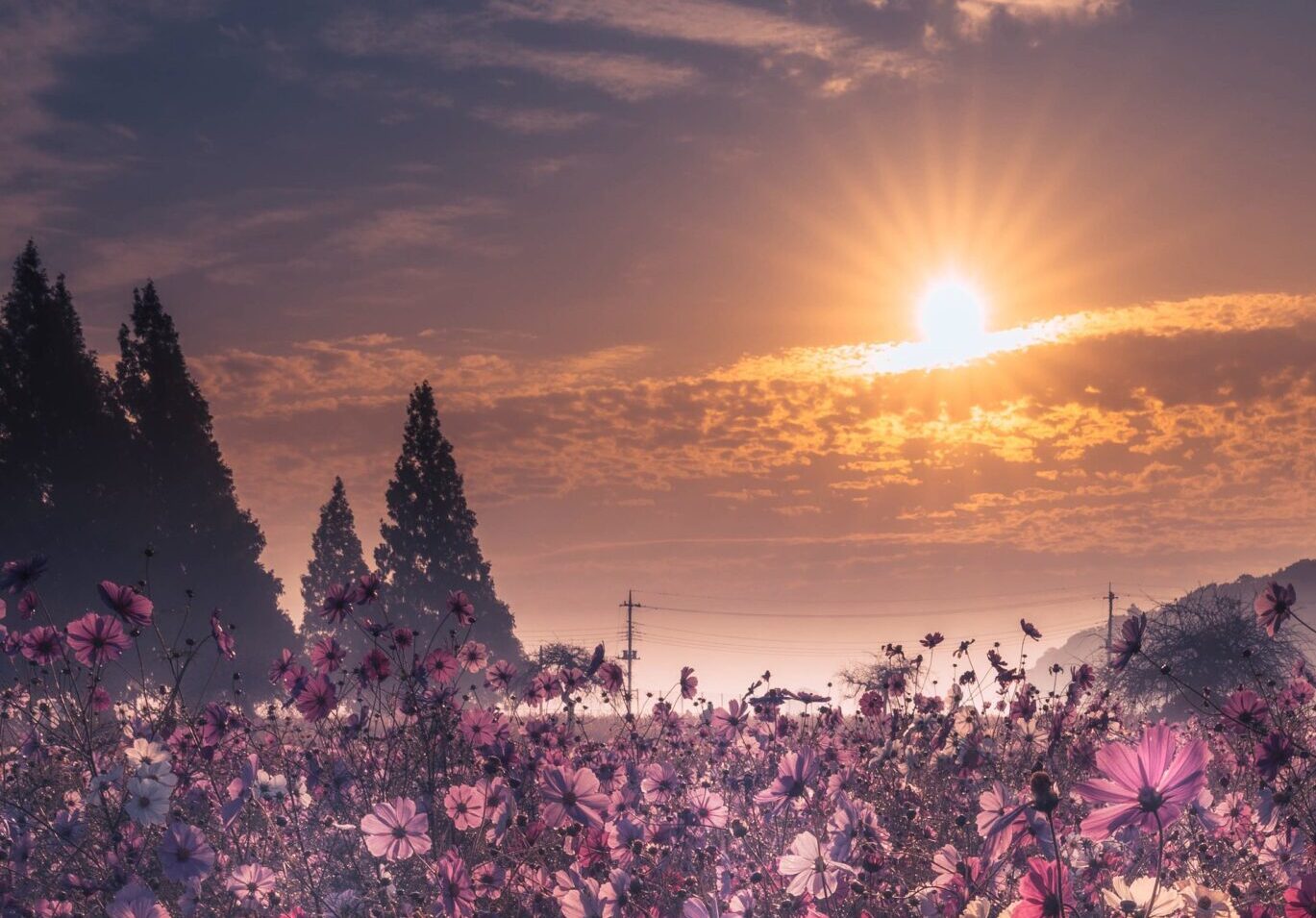
“Fading is true while flowering is past, For all things pass.”
This line carries a lament for how brief life is, and lays bare a natural law: from flourishing to decline, from birth to death, nothing escapes the passing of time. Blooming is as fleeting as a night-blooming cereus, while withering is life’s certainty.
It gives me a deep sense of impermanence and regret for time slipping away. A simple sentence reveals a law of life we cannot resist: every beautiful thing, once it has bloomed, moves toward withering. That is what time does.
When flowers are in full bloom, it is hard to imagine them fading and wilting so soon, yet it is exactly this fleeting beauty that gives us a deeper understanding of life and time. The line also reminds us to treasure every present moment. Since every flourishing ends in fading, enjoying and cherishing a thing at its most beautiful is the only way to do justice to its existence. This awareness lets us make peace with loss, and reminds us to live in the present instead of being bound by an uncertain future.
Seen through love, the line offers a quiet insight into loving and losing. Love is like a flower: dazzling and intoxicating in bloom, yet fragile and brief. Sweetness and passion are beautiful, but as time passes the passion fades, the relationship settles into something plainer, and one day it may even dissolve.
That does not mean the passing of love has to be painful or hopeless. As “fading is true while flowering is past” suggests, once we learn to appreciate what was beautiful and accept that love is impermanent, we can face its loss calmly. It is precisely because love is fleeting and changeable that we cherish it while it lasts. Feel it fully while you have it; let it go gracefully when it ends, without resentment or regret.
Love may fade, but the memories it leaves are still real. We can draw strength from them, accept the beauty we once had with gratitude, and meet the life and love ahead a little better.